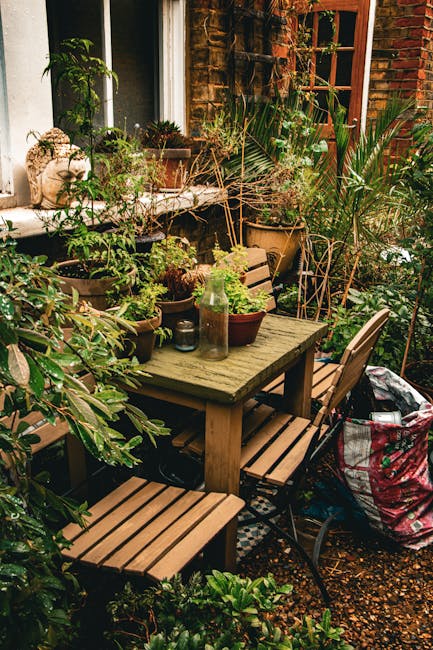
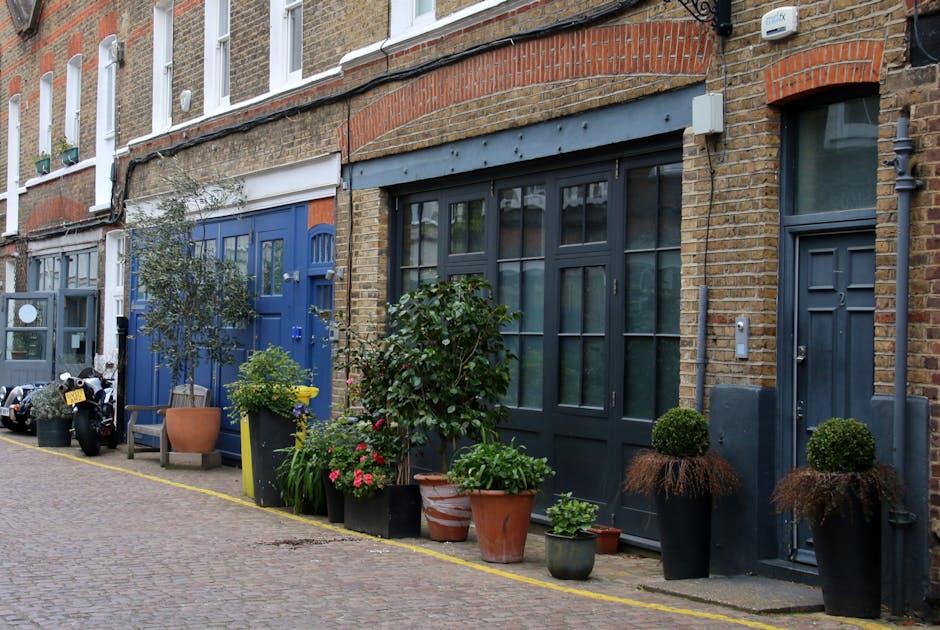
Cambridge Road garden ideas insider tips for Norbiton gardeners
If you live near Cambridge Road and you are trying to make a small, awkward, sunny-or-not-quite-sunny garden feel calm, usable, and genuinely attractive, you are not alone. The best Cambridge Road garden ideas insider tips for Norbiton gardeners usually have less to do with flashy features and more to do with smart layout, realistic planting, and a bit of local judgement. That is the part many people miss. A garden here has to cope with everyday life, London weather doing its thing, and the simple fact that space is often tighter than you hoped.
This guide walks through what works, why it works, and how to avoid the common traps that turn a promising outdoor space into a patchy, high-maintenance headache. You will find practical design ideas, step-by-step advice, a simple checklist, and a few hard-won tips that make a real difference. Nothing fancy for the sake of it. Just good garden sense.
Why Cambridge Road garden ideas insider tips for Norbiton gardeners Matters
Gardens around Cambridge Road and the wider Norbiton area often sit in that awkward middle ground: not quite tiny, not quite spacious, and usually in need of a little planning to feel coherent. That matters because a garden is not just a view from the kitchen window. It is where bins get moved, tools get stored, children run through with muddy shoes, and friends end up standing around with a cup of tea. If the layout is off, you feel it every day.
The local context matters too. Norbiton gardeners often face a mix of narrow plots, boundary hedges, overlooked spaces, and shaded corners from neighbouring buildings or mature trees. To be fair, those features are not problems in themselves. They are design clues. If you work with them instead of fighting them, the whole space becomes easier to live with.
Another reason this topic matters is maintenance. A garden that looks lovely in spring but becomes a weekly chore by midsummer is not a success. The best ideas for Cambridge Road tend to balance looks with upkeep. That might mean choosing slower-growing shrubs, using hard landscaping to reduce mowing, or designing planting beds that do not demand constant rescue work. No one wants to spend every Saturday afternoon deadheading, let's face it.
There is also a value side to this. A neat, well-designed garden can improve first impressions, make outdoor living feel possible even in a modest space, and support property appeal. You do not need a magazine garden. You need one that feels finished, calm, and suited to how you actually live.
How Cambridge Road garden ideas insider tips for Norbiton gardeners Works
At the simplest level, this approach works by matching garden design to the realities of the site. That means observing light, drainage, privacy, access, and how you use the space before buying a single plant or slab. Honestly, that first hour of observation saves a lot of regret later.
The process usually breaks down into a few practical moves:
- Map the space - note sun, shade, wind, and wet patches across the day.
- Set the purpose - decide whether the garden is mainly for relaxing, entertaining, growing, family use, or all of the above.
- Choose a layout - use paths, borders, decking, or lawn to create clear zones.
- Pick planting for the conditions - not for wishful thinking.
- Plan maintenance - if it is hard to keep tidy, it will stop looking good sooner than you expect.
A useful way to think about it is this: good garden design is less about decoration and more about decision-making. What should be seen first? Where should people walk? Where can you create privacy without making the garden feel boxed in? Where will water collect after rain? Those are the questions that shape a garden that feels settled, not improvised.
In small and medium Norbiton gardens, the "insider" part is often about proportion. A big feature can overwhelm a narrow plot. A tiny patio can feel awkward if it is under-scaled. Even something as simple as the width of a path changes how the whole garden reads. The eye notices balance before it notices plant names.
Key Benefits and Practical Advantages
When done well, a local, site-aware garden plan gives you more than a prettier border. It changes how the space works day to day. The benefits are practical first, aesthetic second. That is usually the right order.
- Better everyday use - you move through the garden more easily and use it more often.
- Less maintenance pressure - the right structure reduces endless tidying.
- Improved privacy - thoughtful planting and screening make the space feel calmer.
- Stronger seasonal interest - the garden has something going on beyond one brief flowering period.
- Cleaner visual flow - the eye understands the space, so it feels larger and more composed.
- Higher resilience - plants and materials suited to the site tend to cope better through dry spells, wet spells, and general London weather mood swings.
There is also a quieter benefit that people do not always mention: a well-ordered garden is easier to enjoy without mentally "fixing" it every time you look out. That sounds small, but it is not. A jumble of unused pots, bare patches, and tired edges can make the whole home feel unfinished. A little structure changes that feeling fast.
One more advantage worth noting is flexibility. A smart Cambridge Road layout can be adapted over time. You might start with a modest seating area and a simple planting scheme, then add a pergola, a wildlife corner, or a better lawn edge later. You do not need to do everything at once. In fact, you probably should not.
Who This Is For and When It Makes Sense
This approach makes sense for a wide range of homeowners and renters near Cambridge Road, especially if your garden feels underused, overgrown, or oddly shaped. It is also a good fit if you have recently moved in and are trying to make the outdoor space feel like yours without tearing everything out on day one.
You may find it especially useful if you are:
- dealing with a narrow terrace or compact rear garden
- trying to make a shaded garden look brighter and more inviting
- wanting lower-maintenance planting rather than a high-care flower display
- looking to improve privacy from nearby windows or neighbouring gardens
- planning a refresh before selling, letting, or simply enjoying the property more
- thinking about hard landscaping like patios, paths, or decking
It also makes sense if you are stuck in that "almost started" stage. You know the garden needs work, but you are not sure whether to clear it, redesign it, or simply improve it in phases. That is where a measured approach helps. Start with the bones. Then add detail.
If you already have a usable garden but it lacks character, you do not need a complete overhaul. Sometimes the answer is one better seating area, one stronger planting scheme, and one cleaner boundary line. Small changes can shift the whole feel of the place. Strange, really, how often that happens.
Step-by-Step Guidance
1. Start with a clear site review
Walk the garden at different times of day. Morning, afternoon, and after rain if possible. Notice where the light falls, where the wind picks up, and which areas dry out quickly. You are not just admiring the space; you are collecting evidence.
Make a simple sketch and mark:
- sunny spots
- shady zones
- wet or compacted ground
- existing trees, sheds, fences, and features
- where people naturally walk
2. Decide what the garden needs to do
Every garden needs a job. Maybe it is entertaining. Maybe it is a quiet place to sit after work. Maybe it needs room for kids, pets, containers, or a small veg patch. If you do not define the job, the layout gets muddled.
Ask yourself: what would make this garden feel genuinely useful in July, not just vaguely nice in April?
3. Sort the structure before the planting
Paths, paving, edging, raised beds, and screening should come first. They give the garden its shape and stop it from feeling like a loose collection of plants. In many Norbiton gardens, a simple structure creates more impact than adding extra features.
If you are choosing between a bigger planting bed and a bigger patio, think honestly about how you live. A patio that is too large can look bare. A planting bed that is too narrow can become awkward and dry out fast. Balance matters.
4. Choose a planting style that suits the site
In shaded areas, look for plants that tolerate lower light rather than forcing sun-loving choices to struggle. In bright, exposed spots, choose resilient species that can handle warmth and occasional dryness. Mixed planting with layers often works best: structure at the back, texture in the middle, and seasonal colour near the front.
Here is a simple rule that saves pain later: if a plant needs special treatment every week, make sure it is worth the extra effort.
5. Build in maintenance from the start
Maintenance planning is not glamorous, but it is essential. Leave access for mowing, watering, and pruning. Avoid overcomplicated edging that traps weeds in awkward corners. Choose materials you can keep clean without a full-time commitment. A slightly simpler design that stays tidy will almost always beat a clever one that falls apart by August.
6. Finish with details that make it feel lived in
Once the basics are in place, add the human touches: a bench that invites sitting, a pot with something scented near the door, a place for boots and tools that is not just dumped in a corner. Small things, but they matter. A garden becomes welcoming through details.
Expert Tips for Better Results
The difference between a decent garden and a really good one is often in the small decisions. Here are the tips that tend to matter most in Norbiton-style gardens, especially where space is limited and the layout needs to work hard.
- Use repetition wisely. Repeating a few plants or materials creates calm. Too much variety can make a small garden feel busy and restless.
- Go vertical where ground space is tight. Trellis, climbers, and wall planting can add softness without stealing usable floor space.
- Keep the edges clean. A tidy boundary instantly improves the whole garden, even if the rest is still developing.
- Think in layers. Short, medium, and taller planting gives depth and stops the space looking flat.
- Use hard landscaping to guide movement. A path that makes sense is worth more than a decorative one that nobody uses properly.
- Leave some breathing room. Overfilling a small garden is a classic mistake. Space is design, too.
A practical example: if you have a long narrow garden, you can make it feel more balanced by dividing it into two or three distinct zones rather than treating it as one corridor. A small seating area near the house, a mid-garden planted section, and a quieter back area can work beautifully. Not revolutionary, just effective.
One more thing. Try not to chase perfection on day one. Gardens grow. They settle. They surprise you a bit. The strongest ones usually look better after a few seasons, once the structure and planting have had time to breathe.
Common Mistakes to Avoid
Even good gardens can go wrong if the basics are skipped. These are the errors we see most often, and yes, they are all fixable.
Ignoring the site conditions
The biggest mistake is choosing plants or materials without understanding light and drainage. A shade plan for a sunny garden, or a water-hungry border in a dry, exposed spot, will keep underperforming. You can push a site a little, but you cannot bully it into being something else.
Making the garden too busy
Many people overfill the space with too many plant varieties, pots, ornaments, and different paving styles. The result is noise. One or two strong ideas usually beat six competing ones.
Forgetting access and maintenance
If you cannot comfortably reach the back of a border or move around the lawn without awkward corners, the garden becomes harder to live with. Access should be designed in, not patched in later.
Choosing style over function
Beautiful materials are lovely, but only if they suit daily use. Slippery paving, impractical furniture, or a seating spot with no shade can look great in a photo and feel annoying in real life.
Leaving boundaries unresolved
Fences, hedges, and screening are often treated as an afterthought. That is a mistake. The boundary frames everything else. If it looks tired, the whole garden inherits that feeling.
And if you are tempted to copy a glossy garden picture exactly? Fair enough, we all do it. But a photo does not tell you how much maintenance the space needs or how the light behaves at 4 p.m. in October. That bit matters.
Tools, Resources and Recommendations
You do not need a mountain of gear to improve a garden properly. A few reliable tools and sensible choices go a long way.
Useful tools for planning and upkeep
- measuring tape and notebook for layout planning
- spade, fork, and hand trowel for basic bed work
- loppers or secateurs for pruning and shaping
- garden gloves that actually fit, which sounds obvious but often does not happen
- watering can or hose setup suited to the garden size
- simple edging tools for keeping borders crisp
Helpful service areas to consider
Depending on your starting point, you may benefit from support with clearance, maintenance, or full redesign. For example, if the garden is cluttered and overgrown, a garden clearance service can create a clean slate. If your main issue is keeping things neat through the seasons, regular garden maintenance is often the practical answer. For bigger transformations, landscape gardening can help turn a rough space into something properly usable.
Sometimes the best move is a phased one. Clear first, then shape the space, then add planting. That pace suits a lot of London gardens because it avoids rushed decisions. It also gives you time to live with the space and see what it really needs.
If you want to understand the wider range of support available, it is worth reviewing the services overview. And if you are comparing options or thinking through budget, the pricing and quotes page is a sensible place to start. Not exciting, perhaps, but useful. Very useful.
Law, Compliance, Standards, or Best Practice
Most garden projects in Norbiton do not involve heavy regulation, but best practice still matters. If your work affects boundaries, trees, drainage, access, or shared areas, it is wise to check what applies before you begin. For anything involving neighbouring land, hidden roots, or close boundary features, a cautious approach saves trouble later.
Tree work in particular needs care. If a tree is protected or part of a shared boundary situation, do not assume it can be altered freely. And if you are planning removal or major reduction, use a sensible, documented process. The same goes for work near walls, fences, or services below ground. Better safe than sorry, as they say.
Good practice also includes:
- using safe lifting and cutting methods
- storing tools securely
- disposing of green waste responsibly
- protecting hard surfaces from damage during work
- checking that outdoor electrical features are installed and used appropriately
For households that want a more responsible approach, recycling and reuse are worth considering. Prunings, cleared material, and removed soil are not all equal, and a sensible disposal plan reduces waste. If sustainability matters to you, the recycling and sustainability page is relevant background reading.
Health and safety is another quiet but important piece. Even a simple garden project can involve sharp tools, heavy bags, trip hazards, and slippery surfaces after rain. If a team is involved, proper process and insurance should be part of the conversation. You can review the site's approach to health and safety policy and insurance and safety for extra reassurance.
Options, Methods, or Comparison Table
Different garden styles suit different Norbiton homes. The right choice depends on how you use the space, how much maintenance you want, and how the garden behaves across the year. Here is a simple comparison to help you think it through.
| Approach | Best for | Pros | Trade-offs |
|---|---|---|---|
| Low-maintenance planting with defined borders | Busy households and modest plots | Simple to keep tidy, strong seasonal look | Needs careful plant selection at the start |
| Patio-led layout with smaller beds | Entertaining and everyday outdoor use | Practical, clean, easy to furnish | Can feel hard-edged if planting is too limited |
| Mixed garden with lawn, beds, and screened seating | Families and flexible use | Balanced, versatile, visually rich | Requires more planning to avoid clutter |
| Vertical or layered garden design | Narrow or overlooked spaces | Makes the most of height, adds privacy | Needs maintenance for climbers and supports |
For many Cambridge Road gardens, the sweet spot is a mixed approach: enough hard landscaping to make the space work, enough planting to soften it, and enough open area to stop it feeling packed. That balance is where the real value lies.
Case Study or Real-World Example
Here is a realistic example based on the sort of garden problem people in Norbiton often describe. A homeowner has a rear garden that feels narrow, overlooked, and slightly tired. The lawn is patchy, the back corner is a dumping ground for old pots, and the planting looks crowded in some places but bare in others. Classic stuff, really.
The solution was not a full rip-out. First, the space was cleared and measured. Then the layout was simplified into three parts: a small seating area near the house, a central open strip for movement, and a rear planting zone with layered shrubs and climbers for privacy. The fence line was tidied, the old awkward edging was removed, and the planting palette was reduced to a smaller number of stronger choices.
The result was not dramatic in a showy sense. It was better than that. The garden became easier to use, easier to keep neat, and more pleasant to look at from inside the house. On a warm evening, it felt like a proper room outdoors rather than a leftover patch behind the building. That is the kind of improvement people notice every single day.
If there is one lesson from that sort of project, it is this: a garden rarely needs more stuff. It usually needs clearer structure, better proportions, and a plan that matches the way people actually live.
Practical Checklist
Use this before you start any Cambridge Road garden refresh. It keeps the project grounded.
- Have I measured the space properly?
- Do I know which areas get sun, shade, and wind?
- Have I decided what the garden must do?
- Is the layout simple enough to use comfortably?
- Have I allowed space for access and maintenance?
- Are the plant choices suited to the light and soil conditions?
- Have I considered privacy from neighbours or overlooking windows?
- Do the materials suit the level of use I expect?
- Have I planned waste removal or clearance if needed?
- Will the garden still look good after a few weeks of normal weather?
And one last, slightly underestimated question: will I still like this design when I am carrying shopping through it in the rain? That is a surprisingly good test.
Conclusion
The best Cambridge Road garden ideas insider tips for Norbiton gardeners are the ones that respect the space you actually have, not the one you wish you had. Start with the conditions, decide what the garden needs to do, and build from there with simple structure and realistic planting. That approach gives you a garden that feels calmer, looks better, and asks less of you over time.
Whether you are improving a compact terrace, softening a boundary-heavy plot, or reworking a garden that has become a bit neglected, the same principle holds: clarity first, detail second. The rest follows. Usually more easily than you expect.
If you are ready to take the next step, review the services that match your project and think about whether you need clearance, maintenance, or a fuller redesign. Get a free quote today and see how much you can save.
And if you do nothing else this week, just stand in the garden for five minutes and notice what it is already telling you. That small moment often gives you the right starting point.
Frequently Asked Questions
What are the best garden ideas for a Cambridge Road home in Norbiton?
The best ideas usually combine clear structure, low-fuss planting, and a layout that suits the way you use the space. In many cases, a simple seating area, defined borders, and a few stronger plants work better than trying to do too much.
How do I make a small Norbiton garden feel bigger?
Use cleaner lines, fewer materials, and planting that creates depth rather than clutter. Vertical planting, repeated shapes, and a simple path or patio can all help a small garden feel more open.
What planting works well in shaded London gardens?
Choose plants that cope with lower light instead of forcing sun-loving varieties into the shade. Layered planting, ferns, structured shrubs, and climbers often perform better in shaded corners. The exact choice depends on the level of shade and soil conditions.
Is decking or paving better for a Cambridge Road garden?
It depends on how you want to use the space. Paving is usually better for a durable, easy-to-maintain surface. Decking can work well for a warmer, softer feel or where levels need to be managed. The right answer is the one that suits the garden, not just the look.
How much maintenance should I expect from a redesigned garden?
A well-planned garden should be easier to maintain than a poorly planned one. That said, all gardens need some care. Choosing the right plants, leaving good access, and avoiding overcomplicated features will reduce the workload significantly.
Do I need professional help for a garden makeover?
Not always. Smaller tidy-ups or planting refreshes can often be handled in stages. But if the garden needs clearance, structural changes, drainage adjustments, or a complete redesign, professional support can save time and avoid expensive mistakes.
What should I do first if my garden is overgrown?
Start with clearance and a proper assessment of what is worth keeping. Once the space is visible again, you can judge the light, layout, and planting more accurately. Jumping straight into replacement planting is usually where people go wrong.
How can I add privacy without making the garden feel closed in?
Use layered planting, slim screening, or carefully placed climbers rather than solid barriers everywhere. Privacy works best when it softens the view instead of blocking it completely.
Are there any local issues Norbiton gardeners should think about?
Yes. Overlooking, limited space, shared boundaries, and varying light conditions are all common in London gardens. It helps to design with those realities in mind rather than trying to force a one-size-fits-all style.
What is the most common mistake people make with small gardens?
Trying to fit in too many ideas at once. A small garden usually needs clarity, not extra features. If the layout is simple and the planting is well chosen, the space will feel much more generous.
How do I know whether to clear, repair, or redesign my garden?
If the garden is mainly messy but structurally sound, a clearance and maintenance plan may be enough. If the layout does not work, surfaces are failing, or the garden feels unusable, redesign is probably the better route. The good news is that many gardens need a blend of both rather than one dramatic fix.
Can sustainable choices still look stylish?
Absolutely. Reusing materials where suitable, choosing resilient plants, and reducing waste can improve the garden's look as well as its practicality. Sustainable does not have to mean sparse or dull. Done well, it often looks more settled and natural.