Gardening Norbiton: Recycling and Sustainability in Our Green Spaces
 Gardening Norbiton is committed to creating an eco-friendly waste disposal area and a thriving sustainable rubbish gardening area across community plots and verges. Our approach combines practical recycling, clear local partnerships and low-carbon logistics to keep soil healthy and neighbourhoods clean. We believe that small changes to how green waste and household recyclables are handled lead to measurable benefits for biodiversity, climate and local amenity.
At the heart of our programme is a simple philosophy: reduce, reuse, recycle — applied specifically to gardening contexts. We focus on composting garden waste on-site where appropriate, segregating cardboard and paper, and capturing food and plant waste for community composting hubs. Recycling and sustainability for Gardening Norbiton means building resilient, circular systems so that less goes to landfill and more returns to our beds and borders as nourishing organic matter.
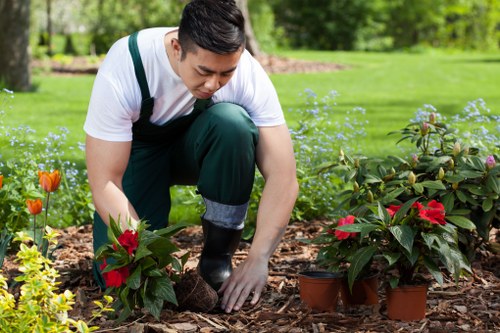 We also align with the borough's approach to waste separation: many local councils encourage separate collections for garden waste, food scraps and dry mixed recycling. Gardening Norbiton works with residents to mirror those systems in communal plots—clear signage, separate bins for green waste and dry recycling, and regular collection schedules that respect the borough's guidance on contamination and sorting.
Targets and measurable outcomes
Our immediate recycling percentage target is 65% diversion of organic and recyclable material from our sites within two years, rising to 80% within five years. This target covers garden cuttings, plant pots (where recyclable), paper and cardboard from seed packets, and appropriate plastic that the borough accepts in its dry recycling stream. Recycling and sustainability goals are backed by monthly monitoring and transparent reporting to community stakeholders.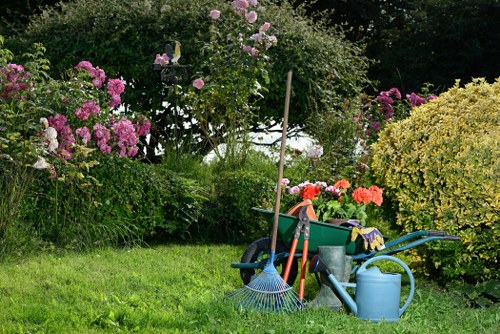 To reach these goals we operate a suite of actions: site-based compost bays, community wormeries, a library of reusable pots and trays, and repair-and-reuse workshops. We prioritise local processing where possible to keep carbon emissions low — turning leafy waste into compost that is redistributed to community beds and allotments. This closed-loop practice is central to Gardening Norbiton's sustainable recycling model.
Practical recycling activities include:
- Green waste bins for prunings and lawn clippings destined for composting;
- Segregated dry recycling areas for paper, cardboard and permitted plastics;
- Food waste collections for community digesters or neighbouring municipal food-waste schemes;
- Reuse stations for pots, tools and seed packets, run in partnership with local groups.
We make use of local transfer stations and civic amenity points as part of our chain-of-custody for recyclables. Where on-site processing isn’t feasible, materials are taken to nearby transfer facilities and household waste recycling centres operated by the borough or neighbouring councils. These local transfer stations help consolidate loads and ensure that recyclable material is routed to the right processors rather than to landfill.
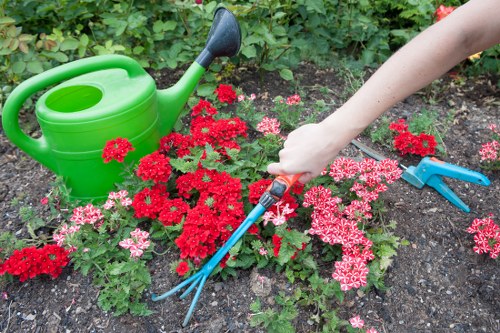 Partnerships are integral to our model. Gardening Norbiton collaborates with charities and social enterprises that specialise in reuse and redistribution. These partnerships include local food growers and community compost initiatives, volunteer-led tool libraries, and charities that repair garden furniture and tools for reuse. By linking our collection points to established non-profits, we extend the life of materials and support community-led social value projects.
Low-carbon logistics and sustainable transport
To reduce operational emissions we deploy low-carbon vans: a fleet mix of electric vehicles and low-emission hybrids for collections and transfers. We use route-optimisation software to minimise mileage and coordinate collections to coincide with borough collections where possible. This reduces overall vehicle movements and carbon output while maintaining reliable service for communal gardens.Education and behaviour change are woven into the programme. Volunteers and site leads receive training on contamination avoidance, compost management and seasonal waste reduction. We provide clear, durable signage using visual cues to show what goes into each container, reflecting the local borough's guidance on materials accepted in dry mixed recycling and garden waste streams. This helps align our garden-based systems with municipal kerbside rules.
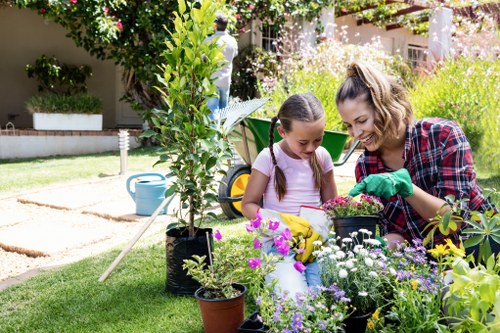 Community benefits are tangible: healthier soil, reduced disposal costs, and stronger local networks. Charitable partners gain resources to support vulnerable residents, while our reuse stations reduce the demand for new plastic pots and single-use materials. Economic and environmental co-benefits flow back into the neighbourhood through shared compost, freecycled equipment and learning events.
In sum, Gardening Norbiton’s approach to recycling and sustainability—an integrated, site-level eco-friendly waste disposal area and well-managed sustainable rubbish gardening area—combines ambitious recycling percentage targets, smart use of local transfer stations, charity partnerships and low-carbon vans. Through these measures we aim to model an accessible, measurable and community-led path to greener urban gardening.