Norbiton gardeners access problems for flats on Kingston Hill
Getting garden work done for flats on Kingston Hill can sound straightforward until the practical realities kick in. Shared entrances, locked side gates, narrow paths, limited parking, awkward bin-store access, and resident schedules can all turn a simple tidy-up into a bit of a logistical puzzle. If you are dealing with Norbiton gardeners access problems for flats on Kingston Hill, you are probably not just looking for a gardener-you are looking for someone who can work around the building, the neighbours, and the day-to-day rhythm of a shared property without causing headaches.
This guide explains what usually goes wrong, how good gardeners handle access issues, what residents and managing agents can do to make things easier, and which services are most useful when outdoor spaces are tight or communal. It is written for people who want the job done properly, not just quickly. And truth be told, with flats, "quickly" and "properly" do not always travel together.
Why Norbiton gardeners access problems for flats on Kingston Hill Matters
Access issues do more than slow a job down. They can affect what work is possible at all, how safely it is completed, how tidy the building stays, and whether residents feel comfortable with contractors on site. In flats, there is nearly always a shared-interest factor: one person wants the hedge trimmed, another wants the courtyard left spotless, and a third just wants nobody blocking the walkway with bags of cuttings at 8:30 in the morning.
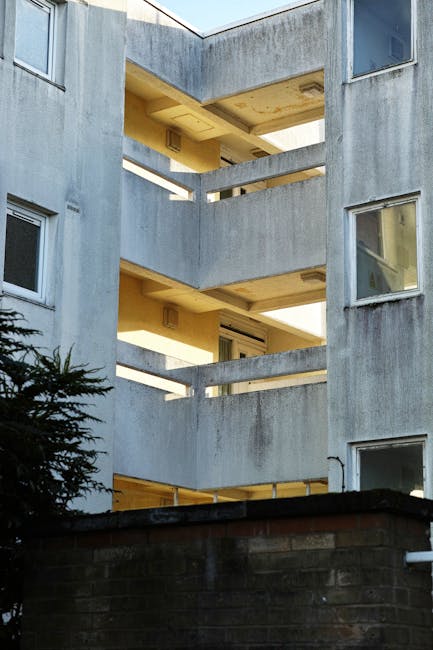
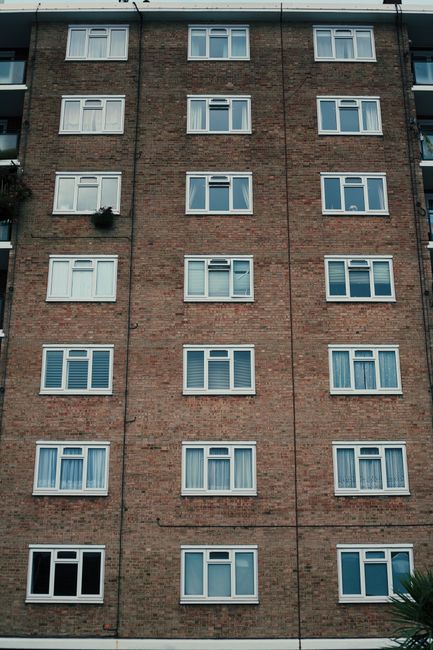
On Kingston Hill, where residential buildings often combine shared gardens, communal entrances and private balconies or small courtyard spaces, access becomes part of the service itself. A gardener who understands that will plan differently from the start. That means fewer delays, fewer complaints, and fewer awkward "we couldn't finish because we couldn't get through the side gate" conversations.
It also matters because poorly managed access can create avoidable risks. Trips, dropped tools, blocked exits, damaged paving, wet grass in a corridor, or cuttings left near bin stores all create friction. The best garden maintenance is invisible in the sense that everything just works. You notice the result, not the disruption.
If you are comparing service providers, it helps to look beyond the headline task and think about the full operation. A company that offers a clear overview of garden services is often easier to coordinate because you can match the work to the actual access conditions rather than squeezing a standard visit into an unsuitable layout.
Practical takeaway: for flats, access planning is not admin fluff. It is part of the job, and often the difference between a smooth visit and a messy one.
How Norbiton gardeners access problems for flats on Kingston Hill Works
In practice, access planning starts before anyone arrives with a mower or hedge trimmer. A gardener needs to know where they can park, how they will enter the site, which gates or doors need codes or keys, and whether the work area is communal, private, or partly shared. Sounds simple. Sometimes it is. Sometimes it is not even close.
For flats on Kingston Hill, access often falls into one of a few patterns:
- Front-of-building access only, where everything must pass through the main entrance or a shared lobby route.
- Rear or side-gate access, which may require keys, codes, or coordination with a managing agent.
- Timed access windows, where work has to happen around resident movement, school runs, deliveries, or concierge availability.
- Limited storage or waste routes, meaning garden waste must be removed carefully and not left in shared spaces.
A good gardener will confirm the access route, the working area, the waste route, and any restrictions on noise or machinery. They may also suggest splitting the visit into smaller phases. For example, hedge trimming and green waste removal may be scheduled together, while finer tidy-up work happens when there is less foot traffic. That is not overcautious. It is sensible.
In some buildings, the issue is not the garden itself but the approach. Narrow stairwells, lift restrictions, no convenient power supply, or a courtyard that can only be reached through a communal hallway can change the whole working method. If that sounds familiar, you may find it useful to pair routine visits with regular garden maintenance so the outdoor space never gets so overgrown that access becomes even harder.
There is also the human side. Residents often want reassurance that contractors will be tidy, respectful, and not hanging around the entrance for half the day. Fair enough. A professional approach includes clear arrival times, sensible tool handling, and a tidy finish.
Key Benefits and Practical Advantages
When access problems are handled well, the benefits are bigger than convenience. You get better reliability, a cleaner site, and less friction between residents and contractors. That sounds obvious, but it makes a huge difference in flats where shared spaces are already doing a lot of heavy lifting.
1. Less disruption for residents
Careful scheduling and route planning reduce noise, clutter, and blocked entrances. People can get to work, collect parcels, or leave the building without weaving around tools and bags of trimmings.
2. Safer working conditions
When access is known in advance, the gardener can bring the right equipment, avoid unnecessary carrying, and reduce the chance of accidents. If large materials need to be moved, a proper plan matters even more.
3. Better results in smaller spaces
Flats often have compact courtyards, narrow planting beds, or awkward communal patches that need more precision than a typical front garden. Access-sensitive work is usually more careful work.
4. Cleaner waste management
Garden waste is one of the first things to cause complaints in shared buildings. Handling it efficiently, and removing it promptly, keeps the place looking cared for rather than half-finished.
5. Easier coordination with managing agents
Once a routine is in place, it is much easier to book repeat visits. That helps everyone-especially in blocks where the same issues keep cropping up after rain, wind, or a burst of spring growth.
There is a decent commercial advantage too. If the access is predictable, quotations tend to be clearer. You are less likely to face confusion about what is included, or what happens if the gardener has to work around a locked door or restricted route. For people comparing options, that clarity can be very reassuring. A transparent pricing and quotes process is especially useful when the access situation is not straightforward.
Who This Is For and When It Makes Sense
This topic is relevant if you live in a flat, manage a block, represent a leasehold property, or look after a communal outdoor area on Kingston Hill or nearby in Norbiton. It also applies if you are a landlord who needs maintenance handled without constant tenant disruption.
It makes sense when:
- the garden is shared between multiple flats;
- access requires keys, codes, fobs, or advance notice;
- there is no dedicated parking close to the site;
- the work area can only be reached through a communal hallway or side passage;
- residents have concerns about noise, waste, or privacy;
- the outdoor space has become hard to maintain because previous visits were cancelled or rushed.
It is also relevant if the block has special surfaces or features-decking, edging, retaining structures, or planted borders-that need a slightly more careful approach. In that case, broader landscaping support may be more useful than a one-off tidy because it helps make the layout easier to manage over time.
To be fair, a lot of access issues only become obvious once the work starts. That is why a practical site visit, or even a very clear set of photos, can save everyone time. You do not want the van unloaded and then discover the only route in is through a locked gate behind three bins and a bicycle with one wheel missing. Happens more often than you would think.
Step-by-Step Guidance
If you are organising garden work for flats with access constraints, the process is much easier when you break it down into steps. No drama, no guesswork.
- Map the access route. Start from the street and walk the full path a gardener would need to take. Note gates, steps, narrow turns, locked doors, and any shared areas.
- Confirm entry arrangements. Decide who will provide keys, codes, or escort access. If a concierge or building manager is involved, agree the contact person in advance.
- Check parking and unloading. Even a short unloading distance can matter if the job needs heavy bags, tools, or waste removal. The less carrying, the better.
- Identify the work zone. Be precise about what counts as the garden area. For flats, this can include communal beds, private patios, roof terraces, and shared lawns.
- Agree time windows. Pick a sensible slot that avoids peak footfall and resident disruption. Early morning is not always best in a block of flats, no matter how organised you are.
- Plan waste handling. Decide where cuttings will be collected, how they will leave the site, and whether the building has any restrictions on bagging or storage.
- Confirm equipment needs. If there is no on-site power or water, the gardener may need battery tools or self-contained solutions.
- Document unusual constraints. A few photos and a short written note can prevent misunderstandings later. Small detail, big payoff.
When access is especially tight, the safest approach is often to begin with lighter tasks first-lawn mowing, edging, hand weeding, or hedge trimming-before moving on to anything that creates more debris. If the site has become overgrown, a planned garden clearance may be the right starting point before routine maintenance can resume.
For buildings where tree growth is part of the problem, especially if branches interfere with windows, sightlines, or communal paths, a specialist approach such as tree lopping and removal may be needed. Not every job requires that, of course, but when it does, it is better handled with a clear access plan from the beginning.
Expert Tips for Better Results
Here are the things that genuinely help on the ground, not just in theory.
- Send photos before the visit. A few images of gates, paths, parking, and the actual garden area can save a lot of back-and-forth.
- Keep access instructions short and specific. "Use the side gate next to flat 2" is better than a paragraph of mixed directions.
- Separate resident and contractor movement. If possible, choose times when the lift, corridor, or entrance is quieter.
- Use recurring schedules. Flat gardens usually stay under control better with regular visits than with occasional emergency tidy-ups.
- Be realistic about what can be done in one visit. A compact shared garden may need two shorter sessions rather than one rushed, noisy one.
- Protect communal surfaces. Mats, careful carrying, and sensible footwear keep hallways and steps cleaner.
A small but useful tip: if the building has a sustainability preference or waste-sorting expectation, ask how green waste will be handled in advance. A contractor who values recycling and sustainability is often better prepared for tidy disposal and reduced waste on site.
And one more thing. If the access feels awkward to you, it probably feels awkward to the gardener too. The difference is that an experienced one won't make it your problem. They'll just solve it, or at least make it look very tidy while solving it. That is the job, really.
Common Mistakes to Avoid
Most access problems are not caused by the garden itself. They come from poor planning, vague instructions, or assumptions that everyone understands the layout the same way. They rarely do.
- Assuming the contractor knows the building. Even local teams need current access details. A gate may now be locked, or parking rules may have changed.
- Leaving access decisions until the day of the visit. That is how delays happen.
- Forgetting about waste removal. A tidy cut is only half the story if bags are left in a corridor or by the entrance.
- Not telling residents in advance. Surprise mowing near living-room windows is not a crowd-pleaser.
- Trying to fit a large job into a tiny time slot. That usually creates more mess than progress.
- Ignoring safety around steps, cables, and shared walkways. Shared sites need a bit more care, always.
Another common issue is underestimating how quickly a small patch can become unruly. One wet week, a bit of shade, and suddenly the courtyard looks like it has been left alone all summer. If that happens, it is usually worth resetting the space properly rather than just trimming the visible edges and hoping for the best.
Tools, Resources and Recommendations
For access-restricted flat gardens, the best "tools" are often part equipment and part process. Yes, you need the right trimmers and mowers, but you also need a good system.
Useful practical tools
- Battery-powered tools for quieter working where mains access is limited or noise needs to be minimised.
- Hand tools for precision in smaller communal beds and around tight borders.
- Wheelbarrows or carry tubs for moving waste through narrow routes safely.
- Ground protection mats to help protect shared flooring or paving when needed.
- Simple site notes that record gate codes, contact names, parking arrangements, and any restrictions.
Recommended service pages to review
When access is the sticking point, these service pages can help you match the job to the layout and the level of overgrowth:
- lawn mowing for routine grass care in shared or compact spaces;
- hedge trimming for boundary control and privacy screening;
- garden maintenance for repeat visits and general upkeep;
- garden clearance when the space needs a full reset;
- services overview to compare what is included and how it fits your site.
For trust and reassurance, it is also sensible to check a provider's policies on safety, handling, and payments. Pages such as health and safety policy, insurance and safety, and payment and security are not glamorous reading, granted, but they do tell you how seriously the business takes real-world work. That matters in shared buildings.
Law, Compliance, Standards and Best Practice
For flat gardens, compliance is mostly about common-sense safety, clear responsibility, and respectful working. The exact legal duties can vary depending on who manages the site, what the work involves, and whether contractors are operating in communal or private areas. So it is wise to be careful rather than overconfident.
In practical terms, best practice usually includes the following:
- Safe access and egress so routes are not blocked.
- Clear communication with residents or managing agents before arrival.
- Appropriate equipment handling for shared spaces, stairs, and narrow access points.
- Waste management that avoids leaving debris in communal areas.
- Respect for quiet enjoyment in residential settings, especially where work could affect multiple households.
It is also sensible for a contractor to have public-facing policy information available. If you want to understand how a company approaches service access, complaints, cookie use, privacy, and broader operating standards, pages like about us, terms and conditions, privacy policy, complaints procedure, and the accessibility statement are useful signs that the business is organised rather than improvised.
Where access issues involve communal entrances, keys, or resident information, discretion matters too. A good operator should be careful with any building details they receive and should not leave doors propped open or site instructions visible to everyone. That seems obvious, but you would be surprised how often obvious things get missed.
Options, Methods and Comparison Table
Not every flat garden needs the same approach. The best method depends on how bad the access is, how much work is needed, and how many people share the space.
| Method | Best for | Pros | Limitations |
|---|---|---|---|
| Single planned visit | Small communal gardens with simple access | Quick to arrange, easy to manage | Can feel rushed if the garden is very overgrown |
| Regular maintenance schedule | Blocks with recurring garden care needs | Keeps access issues manageable, reduces disruption | Needs a bit of coordination up front |
| Clearance first, maintenance later | Areas that have become neglected or hard to reach | Resets the site and restores safe access | Usually more labour-intensive at the start |
| Split-visit approach | Sites with limited parking, noise, or resident movement | Less disruptive, easier to fit around the building | May take longer overall |
For many flats on Kingston Hill, the split-visit or regular-maintenance model works best. It is not always the cheapest on paper, but it is often the least troublesome in real life. And that tends to matter more once residents have to live with the result.
Case Study or Real-World Example
Here is a realistic example. A small block of flats has a shared rear garden with a narrow side access route. The path is just wide enough for a person and a few tools, but not ideal for bulky waste or long trips back and forth. The communal grass has become patchy, the hedge has spread toward the path, and a couple of residents have mentioned that the space feels neglected.
Rather than trying to do everything in one crowded visit, the work is split into two stages. First, the hedge is trimmed back and the main access line is cleared so movement through the garden becomes easier. Then the lawn and borders are tidied on a second visit, with waste bagged in smaller loads to avoid blocking the route. Residents are informed in advance, the access point is kept clear, and the work finishes without turning the entrance into a temporary storage yard.
What improved most was not just the look of the garden. It was the feeling in the building. People stopped dodging the same overgrown corner. The route felt open again. You can almost hear the difference when a space is back under control-less scraping, less shuffling around, less sighing at the gate. Small thing, but not really small.
For blocks where tree growth is contributing to poor access or shade, the solution may also involve more structured planning through tree lopping and removal. That is not a first resort in every case, but when branches affect passage or maintenance, it can be the right practical step.
Practical Checklist
Use this before booking or scheduling work for flats with access challenges:
- Have you mapped the exact access route from street to garden?
- Do you know who will provide keys, codes, or entry support?
- Is there a safe parking or unloading point nearby?
- Have residents been told the date and likely time window?
- Have you identified noise-sensitive periods?
- Is the work area clearly defined as private, communal, or shared?
- Do you know where green waste will be collected and removed?
- Have you checked whether the gardener needs battery tools or special equipment?
- Are there steps, narrow corridors, or fragile surfaces to protect?
- Have you chosen a provider who offers the right mix of maintenance, clearance, or landscaping help?
If you can answer yes to most of those, you are already in a much better place than many flat owners or managing agents. Really, that is half the battle.
Get a free quote today and see how much you can save.
Conclusion
Norbiton gardeners access problems for flats on Kingston Hill are not just a nuisance-they shape the whole job. The right approach is practical, tidy, and respectful of shared living. When access is planned well, garden work becomes calmer for residents, safer for contractors, and more reliable for everyone involved.
If your building has awkward entry points, limited parking, or communal areas that need a careful hand, do not wait until the garden has become difficult to manage. A measured plan now usually saves hassle later, and often improves the space more than you expect. One decent visit can change the mood of a whole block.
And that, in the end, is what good garden work in flats is really about: making the outside feel easy again.
Frequently Asked Questions
What do Norbiton gardeners access problems for flats on Kingston Hill usually involve?
They usually involve limited or shared entry points, tight parking, locked gates, communal hallways, stairs, lift restrictions, and the need to avoid disrupting residents while work is carried out.
Can gardeners work through a communal entrance in a flat block?
Yes, if access is agreed in advance and the route is safe and suitable. The gardener should know exactly how to move tools and waste without blocking shared areas or creating hazards.
How do I prepare a flat garden for a gardener if access is awkward?
Send photos, confirm entry details, clear the route as much as possible, and tell residents when the visit is happening. A short, precise note often works better than a long explanation.
Is garden clearance better than regular maintenance for overgrown flats?
If the garden has become heavily overgrown or difficult to reach, garden clearance is often the sensible first step. Once access is restored, regular maintenance keeps it manageable.
What if there is no parking near the building?
That can still be workable, but it needs planning. The gardener may need a shorter equipment load, battery tools, or a slightly longer arrival window to unload safely.
How much disruption should residents expect?
With good planning, disruption should be limited to normal working noise and brief movement through shared spaces. Residents should not be left with blocked paths or waste sitting around for long.
Do I need permission from a managing agent or landlord first?
In many flat settings, yes. If the garden is communal or access involves shared property, it is sensible to check who has authority before booking work.
Can a gardener trim hedges or trees where access is tight?
Often, yes. But the method and equipment matter. Hedge trimming is usually easier in tight spaces than larger tree work, which may need more room and a stronger access plan.
What should I ask before booking a gardener for a flat block?
Ask how they handle access, waste removal, resident communication, timing, parking, and any safety concerns. It is also useful to ask about insurance and whether they are comfortable with communal sites.
How can I reduce complaints from neighbours during garden work?
Give notice, choose sensible timings, keep routes clear, and make sure the work finishes tidy. People are usually very reasonable when they know what is happening and why.
Are there special safety concerns for garden work in flats?
Yes. Shared entrances, steps, wet surfaces, cables, and public movement all raise the need for care. That is why health and safety planning is especially important in apartment blocks.
What is the best long-term fix for repeated access problems?
The best long-term fix is usually a repeat maintenance schedule, clear site notes, and a provider who understands the layout. Once the routine is set, everything gets easier. Much easier, actually.