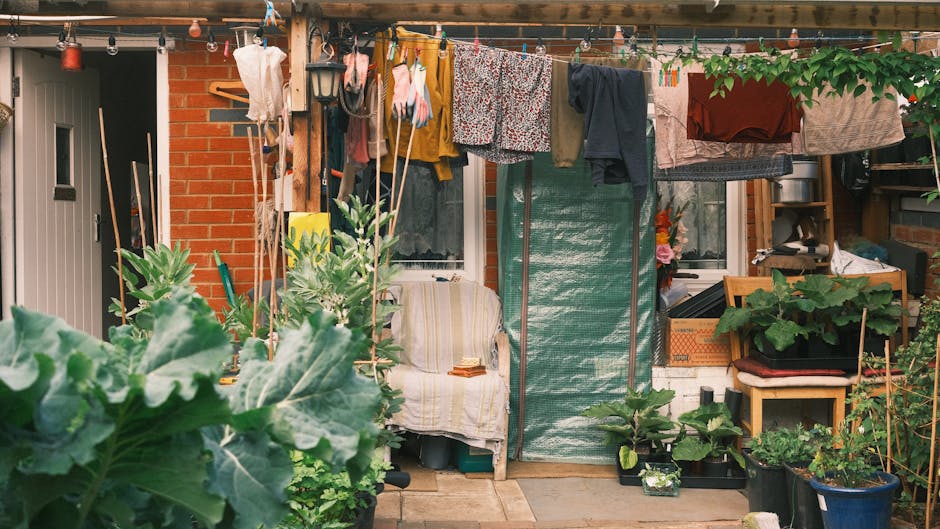
Norbiton High Street Gardeners for Tiny City Back Gardens: Practical Help for Small Outdoor Spaces
If you have a small courtyard, a narrow terrace, or one of those awkward little urban gardens that never quite feels finished, you are not alone. Norbiton high street gardeners for tiny city back gardens are often called in for exactly this kind of space: compact, slightly shaded, a bit exposed, and always asking more of the garden than it seems to give back. The good news? Tiny gardens can be lovely. Really lovely. With the right plan, a small plot can feel calmer, greener, and more usable without becoming a full-time job.
This guide explains what local gardeners typically do for small city gardens, how the process works, what to expect, and how to make sensible choices if you want a space that looks good and stays manageable. You will also find practical tips, a comparison table, a checklist, and a few local realities that people often miss the first time round.
Table of Contents
- Why Norbiton high street gardeners for tiny city back gardens Matters
- How Norbiton high street gardeners for tiny city back gardens Works
- Key Benefits and Practical Advantages
- Who This Is For and When It Makes Sense
- Step-by-Step Guidance
- Expert Tips for Better Results
- Common Mistakes to Avoid
- Tools, Resources and Recommendations
- Law, Compliance, Standards, or Best Practice
- Options, Methods, or Comparison Table
- Case Study or Real-World Example
- Practical Checklist
- Conclusion
- Frequently Asked Questions
Why Norbiton high street gardeners for tiny city back gardens Matters
Small city gardens have a funny way of showing every decision you make. One heavy pot in the wrong place and suddenly the whole area feels cramped. One poor choice of plant, and the bed looks cluttered for six months. That is why local expertise matters so much. Norbiton high street gardeners who work on tiny back gardens tend to think differently from gardeners who mainly handle large suburban plots. They have to. Space, access, privacy, light, and maintenance all matter at once.
In a compact garden, the aim is not to cram in as much as possible. It is to create breathing room. A good garden plan should make the space feel bigger, not busier. It should also be realistic for London living, where you may want something attractive, but you do not want a border that needs fussing over every weekend. Let's face it, most people want a garden they can enjoy with a coffee, not another project that nags at them.
There is also a local advantage. A gardener familiar with Norbiton streets and the wider Kingston area is more likely to understand the everyday conditions that affect tiny gardens: fence shade, overlooked boundaries, clay-heavy soil in some plots, narrow side access, and the need to work neatly around neighbours. That is the unglamorous stuff, but it is exactly what separates a decent result from a frustrating one.
If you are comparing service options, it can help to start with a clear view of the broader offering on the site, including the garden services overview and the team's background on about us.
How Norbiton high street gardeners for tiny city back gardens Works
The process usually begins with a look at how the garden is actually used. Not how it looks in your head on a sunny Saturday, but how it functions on a damp Tuesday evening in November. Where do you walk? Where does the light fall? Is there a spot that always stays soggy? Do you need room for a table, a bike, compost bins, or a child's play area? Good gardeners ask those questions early because tiny gardens punish vague planning.
From there, the work generally falls into a few stages:
- Initial assessment - checking size, access, drainage, soil condition, shade, and the existing planting or hard landscaping.
- Practical planning - deciding what stays, what goes, and what can be improved with pruning, re-edging, layout changes, or planting.
- Space optimisation - using vertical planting, slimmer borders, compact shrubs, trellis, container groupings, and simple visual tricks to improve flow.
- Implementation - tidying, digging, planting, mulching, minor repairs, and making sure everything is set up for the season ahead.
- Maintenance planning - agreeing how often the garden should be revisited so it does not slide back into chaos. Tiny gardens can do that surprisingly fast.
That last step matters more than people think. A compact garden often needs lighter but more regular care. One-off jobs help, of course, but consistency keeps the whole thing looking intentional rather than simply contained.
For many homeowners, the practical side matters as much as the design side. If you are preparing to request work, the pricing and quotes information is a sensible place to check expectations before going ahead.
Key Benefits and Practical Advantages
The value of a well-managed small garden is not just visual. It changes how the space feels and how often you use it. A tidy, thought-through garden makes a home feel bigger, more ordered, and more pleasant to live with. That sounds simple, but you notice it every day.
- Better use of space - every square metre earns its keep.
- Less visual clutter - restrained planting and sensible layout reduce the cramped feeling.
- Improved light - careful pruning and planting choices can help reflect more light.
- Easier maintenance - compact gardens need practical decisions, not high-maintenance drama.
- More privacy - vertical screens, layered planting, and trellis can soften overlooking without building walls everywhere.
- Seasonal interest - a small space can still have flowers, texture, scent, and structure across the year.
There is a subtle benefit too: a tiny city back garden that feels calm can change the mood of the whole house. You open the back door and instead of seeing a jumble of pots and tired edging, you see a space that makes sense. That small shift really does matter.
Expert summary: The best small-garden work is usually not about adding more. It is about choosing fewer, better things, placing them carefully, and keeping the layout clear enough that the garden can breathe.
When sustainability is part of the brief, it can also be useful to review the team's recycling and sustainability approach, especially if old material, green waste, or redundant fixtures need handling responsibly.
Who This Is For and When It Makes Sense
This kind of service is a good fit if your garden is small and a bit awkward. That could mean a narrow strip behind a terrace, a courtyard with poor access, or a tiny front-to-back plot that has become overgrown, underused, or simply too cluttered to enjoy.
It is especially relevant for:
- busy homeowners who want a neat, manageable garden
- landlords preparing a small outdoor space for tenants
- new buyers trying to make sense of an unbalanced garden layout
- families who need safe, practical space rather than elaborate planting
- people who like gardening in principle, but not enough to spend every weekend doing it
- older residents who want lower-maintenance planting and easier access
It also makes sense if you have tried to improve the space yourself and it still feels slightly off. Maybe the pots are too big. Maybe the lawn, if there is one, is too small to be useful. Maybe the borders eat up walking space. These are normal problems, and honestly, they are easier to fix with a proper plan than by buying yet another plant on impulse. We have all been there.
If you want a service first and a deeper understanding second, the services overview is a helpful starting point. If you want to ask specific questions about access, scope, or timing, you can also use the contact us page.
Step-by-Step Guidance
Here is a practical way to approach a tiny city back garden so it feels manageable from day one.
1. Measure the space properly
Not roughly. Properly. Tiny gardens can lose impact if even a small element is oversized. Record the width of the narrowest point, note where doors open, and mark any awkward corners or steps. If you are planning furniture or planters, measurements save you from expensive guessing.
2. Identify what must stay
Some things are non-negotiable: a compost bin, a storage box, a washing line, or a tree you want to keep. Knowing the fixed items early stops the design from collapsing later. This is one of those boring steps that pays for itself quickly.
3. Decide the main purpose
Ask yourself what the garden is really for. Relaxing? Growing herbs? Children? Pets? A bit of all three? Most small gardens can do several jobs, but they need a clear priority. A sitting area, for example, should not be squeezed into a corner where no one wants to use it.
4. Simplify the planting structure
Use a small number of strong planting groups rather than lots of isolated items. Repetition helps. So does restraint. You do not need twelve different plants in a tiny bed; in fact, that is often the start of visual chaos.
5. Create vertical interest
When floor space is limited, look up. Trellis, climbers, wall planters, and slim supports can add greenery without swallowing walking space. In a London back garden, vertical layers often give the biggest visual lift for the least footprint.
6. Build in access for maintenance
It is easy to design a garden that looks lovely but becomes impossible to care for. Leave enough space to reach windows, clear leaves, trim hedges, and move tools around without turning sideways like a cat. Tiny spaces still need practical access.
7. Agree a maintenance rhythm
Once the garden is set, decide how often it should be tidied. A little regular care usually beats an occasional big rescue. If you prefer, you can arrange ongoing support through a local maintenance plan after the first visit.
Expert Tips for Better Results
Small gardens reward good judgment more than expensive materials. A few thoughtful moves can make a disproportionate difference.
- Use fewer materials, but better ones. A compact patio with decent edging often looks sharper than a patchwork of finishes.
- Keep pathways visually simple. Narrow spaces feel larger when the eye can travel through them cleanly.
- Choose plants for shape as much as flower. Texture, leaf size, and evergreen structure matter all year.
- Repeat colours. Too many colours in a small garden can make it feel busy very quickly.
- Prune hard enough. People often under-prune in tiny spaces because they fear cutting too much. Sometimes trimming back is what gives the space its shape again.
- Leave one "quiet" area. A calm patch of paving or mulch lets the rest of the planting breathe.
A small aside: if a plant is technically lovely but keeps trying to take over the whole garden, it is probably not your friend. Beautiful, yes. Helpful, not always.
For teams that are careful about working methods, the health and safety policy and insurance and safety pages can be reassuring, especially if the job involves ladders, sharp tools, or tighter access around neighbouring properties.
Common Mistakes to Avoid
Most tiny-garden disappointments come from a few predictable errors. The good news is that they are avoidable.
- Overplanting - too many plants make a small space feel crowded and hard to maintain.
- Ignoring shade - many city back gardens get less sun than people expect, especially with fences and nearby buildings.
- Using oversized furniture - a full-size set often dominates the whole area.
- Leaving no storage plan - tools, compost, and pots need a home.
- Choosing high-maintenance planting by accident - it happens all the time, usually after a hopeful weekend shopping trip.
- Forgetting drainage - waterlogged corners can ruin a neat finish pretty quickly.
- Making everything the same height - flat planting lacks depth and tends to look unfinished.
Another mistake is expecting a small garden to behave like a larger one. It will not. It needs sharper editing, cleaner lines, and more disciplined choices. That is not a limitation, though. It is part of the charm.
Tools, Resources and Recommendations
If you are thinking practically, these are the kinds of tools and materials that tend to help in tiny urban back gardens.
| Item | Why it helps | Best use in a tiny garden |
|---|---|---|
| Hand shears and secateurs | Allow precise, controlled pruning | Keeping borders neat and compact |
| Lightweight compost or mulch | Improves soil and reduces moisture loss | Freshening beds without heavy work |
| Vertical supports | Adds height without taking floor space | Climbers, screens, and privacy layers |
| Compact containers | Useful for flexible seasonal planting | Small patios, corners, and doorstep areas |
| Simple edging | Sharpens the look of a small plot | Defining paths, beds, and lawns |
| Hand fork and trowel | Ideal for delicate work in tight areas | Planting, weeding, and light soil work |
In a service context, it is sensible to check payment clarity before booking. The payment and security page explains how the business handles that side of things, which is the sort of detail people often forget until the last minute. Not glamorous, I know, but useful.
You may also want to review the provider's terms and conditions so you understand what is included, what is not, and how any follow-up work is handled.
Law, Compliance, Standards, or Best Practice
For most domestic garden work, the important thing is not legal jargon; it is sensible, safe, and respectful practice. If a gardener is working on your property, you want them to behave carefully around surfaces, tools, access points, and neighbouring boundaries. That includes managing waste responsibly, avoiding unnecessary damage, and communicating clearly about the scope of work.
In the UK, good practice usually means:
- working safely with tools and equipment
- keeping pathways and access points reasonably clear during work
- disposing of green waste responsibly
- being transparent about what the job includes
- respecting shared boundaries and any obvious neighbour concerns
If waste removal is part of the job, it is worth asking how that is handled and whether recycling or reuse is considered where appropriate. The recycling and sustainability page can help set expectations.
For customer-facing businesses, accessibility, privacy, and fair handling of complaints also matter. Those are not garden-design issues as such, but they do shape trust. If you value that side of service, you can check the provider's accessibility statement, privacy policy, and complaints procedure.
Options, Methods, or Comparison Table
Not every tiny garden needs the same approach. Some spaces need a reset. Others only need refinement. Here is a simple comparison to help you think it through.
| Approach | Best for | Pros | Watch-outs |
|---|---|---|---|
| Light tidy and reshape | Gardens that are basically sound but messy | Quick improvement, lower disruption | Won't solve structural layout problems |
| Seasonal planting refresh | Spaces that look bare or tired | Instant lift, more colour and texture | Needs some ongoing care |
| Full small-garden redesign | Awkward layouts or very underused plots | Best long-term result, clearer structure | More planning, more cost, more decisions |
| Maintenance-led approach | Busy owners who want it kept neat | Reliable, practical, low stress | Less dramatic change at first |
If you are unsure which route fits your garden, start with the smallest intervention that solves the actual problem. A tiny garden does not need grand gestures every time. Sometimes a smart prune, a better layout, and a cleaner edge are enough to transform the feel.
Case Study or Real-World Example
Picture a small Norbiton back garden behind a terraced home. It had a narrow paved section close to the house, a slightly overgrown border at the back, and a couple of mismatched containers that had slowly multiplied over time. Nothing was disastrous. It was just... tired. The kind of garden people stop seeing.
The first change was simple: clear out the clutter and define the usable space. One awkward planter was moved, the edges were sharpened, and the border was thinned to a few stronger plants instead of a crowded mix. A light trellis screen was added for height, and the remaining pots were grouped in threes rather than dotted randomly across the paving.
The result was not dramatic in a flashy way. It was better than that. The garden suddenly felt wider, calmer, and easier to use. The owners could sit outside without feeling boxed in, and the planting looked deliberate rather than accidental. A small job, really, but the kind that changes how you use a home.
That is the thing with tiny city back gardens. They do not always need more stuff. They need better judgment and a steadier hand.
Practical Checklist
Use this checklist before booking work or starting a redesign.
- Measure the garden accurately, including narrow points and access routes
- List the things that must stay, such as bins, storage, or mature plants
- Decide the garden's main purpose
- Check where the light and shade fall during the day
- Identify any drainage or damp areas
- Think about privacy and overlooking
- Choose a maintenance level you can actually keep up with
- Decide whether you want a tidy-up, planting refresh, or full redesign
- Ask how waste will be removed or recycled
- Review quote details, scope, and payment terms
- Confirm any access issues, parking restrictions, or neighbour considerations
If you want a reassuring next step, start by reviewing the business's pricing and quotes page and then use the contact us page to describe your space in plain language. A couple of photos and rough measurements go a long way.
Conclusion
Norbiton high street gardeners for tiny city back gardens are not just there to make things look tidy for a day or two. The real value is in making a small space work properly: easier to use, easier to maintain, and nicer to step into at the end of a long day. That may sound modest, but in a compact urban home, modest improvements can feel huge.
The best results usually come from clear priorities, restrained planting, and practical care. If you keep the design simple, respect the limits of the space, and choose people who understand small-garden work, you end up with a garden that feels calm rather than cramped. And honestly, that little bit of calm outside the back door can make all the difference.
Get a free quote today and see how much you can save.
To learn more about the team behind the service, visit the about us page, or if you are ready to talk through your own garden, head straight to contact us. Sometimes the simplest next step is the best one.
Frequently Asked Questions
What do Norbiton high street gardeners for tiny city back gardens usually help with?
They usually help with tidying, pruning, planting, layout improvements, seasonal refreshes, edging, container grouping, and general maintenance. In small gardens, they may also help reduce clutter and make better use of limited space.
Is a tiny back garden worth redesigning professionally?
Yes, often it is. Small gardens show design weaknesses very quickly, so a thoughtful redesign can have a big impact. Even modest changes can improve flow, privacy, and day-to-day enjoyment.
How do gardeners make a small garden look bigger?
They usually use cleaner lines, fewer materials, vertical planting, repeated colours, and carefully placed focal points. Keeping the layout simple helps the space feel less crowded.
What if my garden gets very little sun?
That is common in city back gardens, especially in narrow plots or places with tall fences. A good gardener will choose shade-tolerant planting and avoid forcing sun-loving plants into the wrong conditions.
Can a small garden still have privacy?
Yes. Privacy can be improved with trellis, climbers, layered planting, and sensible screening. You do not need to build a fortress; usually a softer approach works better and feels less heavy.
How often should a tiny urban garden be maintained?
That depends on planting and use, but smaller gardens often benefit from regular light maintenance rather than occasional deep cleans. A consistent rhythm keeps them from becoming overgrown too quickly.
What is the biggest mistake people make with tiny gardens?
Overfilling them. Too many plants, pots, features, and colours can make the space feel smaller, not richer. Less is often more, though that phrase gets overused for a reason.
Should I choose containers or beds for a very small garden?
It depends on the layout. Containers offer flexibility, while beds can create a more permanent, structured feel. A mix is often best in compact gardens, provided it does not clutter the floor space.
Do I need to prepare anything before asking for a quote?
Yes, a little preparation helps. Measure the area roughly, note any access issues, and think about what you want to keep or change. Photos are useful too, especially in awkward spaces.
How do I know whether I need a tidy-up or a full redesign?
If the garden is basically fine but untidy, a tidy-up or planting refresh may be enough. If the layout feels wrong, the space is hard to use, or every area seems cramped, a redesign is probably the better choice.
Are sustainability and waste handling part of good garden service?
They should be, yes. Responsible green waste handling and a sensible recycling approach are part of modern garden work. If that matters to you, it is worth checking how the provider handles it.
Where can I find more information about the business and its service approach?
You can review the services overview, learn more on the about us page, or get in touch through the contact us page. Those pages are the best place to start if you want a straightforward next step.