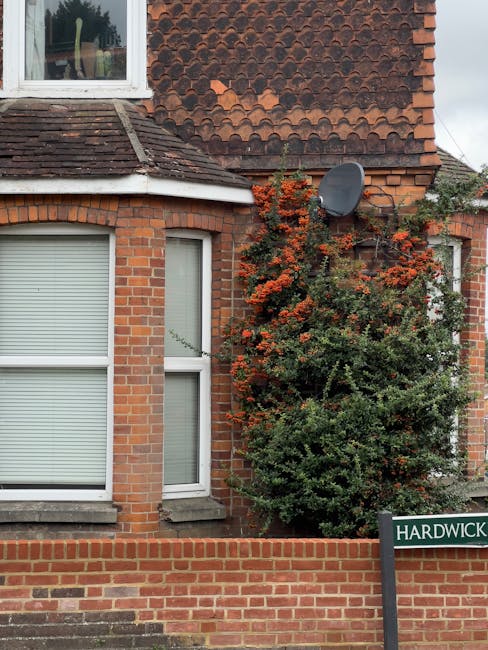
Norbiton station garden maintenance gardeners for KT1 flats: a practical local guide
If you live in a KT1 flat near Norbiton station, garden care can be strangely tricky. You may have a compact courtyard, a shared entrance strip, a rooftop planter area, or a small communal frontage that needs to look tidy all year without becoming a burden. That is where Norbiton station garden maintenance gardeners for KT1 flats come in. The right team does more than mow, trim, and clear leaves; they help keep shared outdoor space safe, welcoming, and manageable for residents, landlords, and block managers alike.
Truth be told, flat-based garden maintenance is a different job from a normal private garden visit. There are more people to please, more access issues, and more scope for things to go wrong if the work is rushed. This guide breaks down what the service involves, how it works in practice, what to look for, and how to choose a sensible maintenance plan for your building. If you want to explore the wider service offer first, take a look at the services overview and the about us page for a feel of the team behind the work.
Table of Contents
- Why Norbiton station garden maintenance gardeners for KT1 flats Matters
- How Norbiton station garden maintenance gardeners for KT1 flats Works
- Key Benefits and Practical Advantages
- Who This Is For and When It Makes Sense
- Step-by-Step Guidance
- Expert Tips for Better Results
- Common Mistakes to Avoid
- Tools, Resources and Recommendations
- Law, Compliance, Standards, or Best Practice
- Options, Methods, or Comparison Table
- Case Study or Real-World Example
- Practical Checklist
- Conclusion
- Frequently Asked Questions
Why Norbiton station garden maintenance gardeners for KT1 flats Matters
Shared outdoor areas in flats do a lot of quiet work. They soften hard edges, make a block feel cared for, and can change the first impression of the building in seconds. Near Norbiton station, where people are often moving quickly between home, train, and work, a neat planting bed or clipped communal hedge can make the whole place feel calmer. Messy, overgrown, or neglected spaces have the opposite effect.
For KT1 flats, maintenance matters for three practical reasons. First, safety: paths need to stay clear, steps should not be hidden by growth, and overhanging branches should not encroach on walkways or windows. Second, presentation: landlords, residents, and visitors all notice whether the frontage feels looked after. Third, plant health: a small shared space can deteriorate quickly if nobody keeps an eye on watering, pruning, pests, or seasonal cut-backs. To be fair, a tiny courtyard can become a tiny jungle in no time.
There is also the social side. In apartment buildings, garden neglect often becomes a point of friction. One resident thinks the planting is too wild, another wants more colour, someone else is unhappy about fallen leaves. A regular maintenance plan reduces that noise. It gives everyone a standard to work from rather than a constant stream of complaints and quick fixes.
At its best, a maintenance service does not just tidy the site. It protects a shared asset. That is the bit people sometimes forget.
How Norbiton station garden maintenance gardeners for KT1 flats Works
Garden maintenance for flats is usually arranged around recurring visits, not one-off rescue jobs. The exact schedule depends on the planting, the size of the site, the season, and how much visibility the outdoor space gets from residents and passers-by. A front-facing bed beside a main entrance may need attention more often than a sheltered back courtyard. Sounds obvious, but it is often missed.
A typical service begins with a walkthrough. The gardener looks at access, boundaries, plant condition, waste removal, and any recurring issues such as standing water, weeds in paving joints, dead shrubs, or plants that are simply in the wrong place. If the site has shared access, timings may need to be planned around residents coming and going. Quiet professionalism matters here. Nobody wants hedge cutting right when someone is wrestling a buggy through the door.
After the first assessment, the work is usually broken into routine tasks and seasonal tasks. Routine tasks may include:
- lawn mowing and edging, where applicable
- weeding borders and paved areas
- deadheading and light pruning
- hedge trimming and shaping
- watering, feeding, and plant checks
- leaf clearance and general tidy-up
- binning, bagging, or removing green waste
Seasonal work adds the bigger jobs: cut-backs in late winter, mulching in spring, planting refreshes, and heavier tidy-ups after storms or long dry spells. In an urban setting, the garden can also need resets after litter, windblown debris, or damage from foot traffic. If you want an idea of how site care is approached more generally, the recycling and sustainability page is useful because waste handling and responsible disposal are often part of the maintenance conversation.
Good gardeners do not simply work to a clock. They notice things. A patch of yellowing leaves, compacted soil, a drain cover that keeps getting obscured, the smell of damp mulch after rain. Those small observations make all the difference over a year.
Key Benefits and Practical Advantages
The obvious benefit is a tidy garden. Fair enough. But for KT1 flats, the real value goes deeper.
1. Better first impressions
Whether the block is owner-occupied, rented, or mixed-use, the outdoor space becomes part of the property's character. A well-kept entrance bed and neat borders create a sense of care that people notice without thinking too hard about it. That matters if the building is viewed by potential tenants, visitors, or contractors.
2. Less stress for residents and managers
Shared gardens can trigger the classic "who is responsible for this?" problem. A clear maintenance schedule reduces tension because everyone knows the work is being handled. Less chasing, fewer ad hoc messages, more consistency. Lovely, really.
3. Healthier planting
Plants perform better when dead material is removed, soil is kept in decent condition, and watering is done at the right time. A little regular care usually beats dramatic intervention once things have already gone downhill. That is especially true in sheltered or semi-shaded courtyards where drainage and airflow can be awkward.
4. Safer access
Overgrown hedges, slippery leaves, and weeds in paving joints can create avoidable hazards. In communal settings, even a small obstruction can be a nuisance. Keeping routes clear is not glamorous work, but it is one of the most valuable things a gardener can do.
5. More predictable costs
Regular maintenance is easier to plan than repeated emergency callouts. If the site is reviewed often, small issues are usually tackled before they become expensive fixes. For anyone comparing service options, the pricing and quotes page is a sensible next stop because it helps frame expectations around scope and frequency.
Expert summary: For flat developments, the best maintenance plan is usually the one that keeps the site consistently presentable with the least drama. Not the fanciest one. The one that actually gets done, month after month.
Who This Is For and When It Makes Sense
This service is not just for large apartment blocks with manicured lawns. It makes sense for a wide range of KT1 flat settings, including small conversions, modern developments, managed blocks, and mixed residential buildings near Norbiton station.
You are likely a good fit if:
- the garden or communal area is shared by multiple households
- residents keep raising the same maintenance issues
- the site looks fine in summer but falls apart in autumn or winter
- there is no one on-site with time or tools to keep on top of it
- you need a reliable external team rather than ad hoc help
- you want the building to feel more cared for without overcomplicating things
It also makes sense when the space is small. People often assume small gardens are easier, but in practice they can be more demanding because every weed, fallen leaf, or untidy edge is visible. There is nowhere for the mess to hide. A tiny front bed near the station can look neat for days, then suddenly look tired after one windy afternoon. London weather does enjoy a bit of theatre.
If you are managing the building, the question is not only "Do we need maintenance?" It is also "How often, and to what standard?" If those answers are unclear, the work tends to drift. And drifting is where gardens quietly decline.
Step-by-Step Guidance
If you are setting up garden maintenance for KT1 flats, a straightforward process usually works best. Here is the practical route.
- Walk the site properly. Note the boundaries, access points, planting areas, bins, drains, and any tricky corners. Take photos if needed. It sounds basic, but you will thank yourself later.
- List the priorities. Decide what has to happen every visit and what only needs seasonal attention. For example, leaf clearance may be frequent in autumn, but shrub reshaping may be scheduled less often.
- Set the standard. "Tidy" is too vague. Be clearer: hedges clipped to a visible line, paths swept, weeds removed from borders, dead material cleared, waste taken away.
- Agree a visit pattern. Weekly, fortnightly, monthly, or seasonal visits all have different effects. A busy entrance planting scheme may need more frequent attention than a simple rear courtyard.
- Plan for waste and disposal. Green waste, cuttings, and bagged debris need handling. Ask how this is managed so nothing is left lurking in a corner for days. Nobody likes that half-finished look.
- Review after the first month. A good plan should be adjusted once the team sees how the site behaves in real conditions. Drainage, shade, wind, and footfall all affect the work.
- Check the ongoing rhythm. If residents are happy, keep the schedule steady. If the garden keeps racing ahead of the visits, the frequency probably needs adjusting.
The most successful arrangements are boring in the best way. They run smoothly, keep the space presentable, and do not require endless chasing. That is usually the sign you have got the balance right.
Expert Tips for Better Results
Here is where a bit of experience saves time and money.
Match the plant choices to the site. If the area is shaded and windswept, high-maintenance planting will probably disappoint you. Tough, structured planting tends to hold up better in communal settings. If the garden is at ground level and gets some sun, you may have a little more flexibility.
Keep the design simple. Flat gardens do best when they are easy to maintain. Too many tiny beds, awkward stepping stones, or decorative features can increase labour without improving the look. Sometimes less really is more. A calm, well-shaped bed can beat a cluttered one every time.
Prune with purpose. Cutting everything down because it looks untidy is not the answer. Some plants respond better to light shaping, others to seasonal cut-back. The trick is knowing which is which. That is where a proper gardener earns their keep.
Use the seasons well. Spring is for setting the site up, summer is for keeping it neat and hydrated, autumn is for leaf management and decline control, and winter is for structure and planning. If you ignore the seasonal rhythm, the garden will remind you anyway.
Do not overlook details near entrances. People judge a block from the door area, the path edge, and the first border they pass. A neat entrance planting strip can do more for the whole building than a larger but forgotten back area.
Ask for photos or a simple report after visits. This is especially helpful where multiple residents or a managing agent want accountability. You do not need a novel. A short note about what was done and what should be watched next is enough.
Use the sustainability angle sensibly. Composting where appropriate, reducing waste, and choosing lower-impact practices can support a better long-term routine. The sustainability page gives a good sense of how environmentally responsible working can sit alongside tidy site care.
Common Mistakes to Avoid
Most problems with communal garden maintenance come from under-planning, not bad intentions. A few common pitfalls show up again and again.
- Waiting until the site looks bad. By then, the work is harder and more expensive.
- Vague instructions. "Just tidy it up" is a recipe for misunderstanding.
- Picking the cheapest offer without checking scope. A low quote is not much use if it excludes the very tasks the building needs.
- Ignoring access logistics. If gardeners cannot get in easily, the service will become inconsistent.
- Overplanting small spaces. Crowding leads to faster decline and more pruning.
- Forgetting waste removal. Cuttings piled neatly still count as mess if they stay there.
- Using the same schedule all year. Gardens do not behave the same in July and January. They really don't.
A particularly common issue in flats is assuming residents will "just keep an eye on things". That usually lasts until the first holiday season, the first wet autumn, or the first stretch of hot weather when nobody is watering. Then everyone notices at once.
Tools, Resources and Recommendations
Professional maintenance does not rely on fancy gadgets. Most of the best results come from using the right basics well and consistently.
| Task | Useful approach | Why it helps in KT1 flats |
|---|---|---|
| Leaf clearance | Regular sweeping, collecting, and safe disposal | Prevents slippery paths and keeps entrances presentable |
| Border care | Hand weeding and selective pruning | Avoids damage in tight communal planting areas |
| Hedge trimming | Measured shaping, not heavy reduction unless needed | Maintains privacy and a neat line without shock to the plant |
| Plant health checks | Look for dryness, disease, crowding, and poor drainage | Stops small problems becoming expensive replacements |
| Waste handling | Bag, remove, recycle or dispose responsibly | Keeps shared spaces orderly and reduces resident complaints |
A few resources on the website may also help you make decisions before booking:
- services overview for the full range of support available
- pricing and quotes for understanding how work may be scoped
- insurance and safety information for peace of mind on shared properties
- health and safety policy for operational expectations
- contact us if you want to discuss a site directly
One small but useful recommendation: keep a simple seasonal note on the building file. Nothing fancy. Just a reminder of when the site was last cut back, where drainage tends to collect debris, and which beds need extra attention. That little habit saves more time than people expect.
Law, Compliance, Standards, or Best Practice
For flat developments, garden maintenance is not usually a heavily regulated activity in itself, but there are still sensible standards to follow. Shared properties often involve resident safety, access considerations, contractor insurance, and responsible waste handling. That is the practical reality.
Best practice usually includes:
- clear access arrangements for contractors
- safe working methods around paths, entrances, and communal areas
- appropriate insurance cover for site work
- careful handling of tools and machinery in shared spaces
- tidy removal of green waste and debris
- respect for neighbours, noise, and timings
Where a building has multiple decision-makers, a written scope helps avoid confusion. What gets done, how often, who authorises extra work, and how issues are reported - all of that should be clear. It is not bureaucracy for the sake of it. It just stops arguments later.
For trust and transparency, it also helps to understand a provider's working standards around safety and payment. The payment and security information can be useful if you are arranging ongoing work, and the terms and conditions give another layer of clarity. If something ever does go wrong, it is also reassuring to know there is a complaints procedure in place. Most people never need it, which is exactly how it should be.
Where recycling, waste reduction, or sustainable practice matters to your building, it is worth checking how green waste is managed and whether the approach fits your expectations. That is especially helpful in dense residential settings where shared responsibility matters.
Options, Methods, or Comparison Table
Different flat developments need different maintenance methods. Here is a simple comparison that helps with planning.
| Method | Best for | Strengths | Limitations |
|---|---|---|---|
| One-off tidy-up | Overgrown or neglected sites needing a reset | Fast improvement, useful before a sale or inspection | Does not prevent future decline without follow-up |
| Monthly maintenance | Low-pressure communal spaces with slow growth | Lower cost, simple scheduling | Can be too infrequent in peak growing season |
| Fortnightly maintenance | Most shared KT1 flats with visible frontage | Reliable presentation, balanced cost and control | May still need extra visits in spring and autumn |
| Seasonal intensive work | Sites with heavier shrubs, leaf fall, or planting resets | Good for restructuring and recovery | Not enough on its own for ongoing appearance |
In many cases, the sweet spot is a modest recurring schedule with seasonal adjustments. Not too much, not too little. Just enough to keep the garden ahead of the weather, which in Britain is honestly half the battle.
Case Study or Real-World Example
Imagine a small KT1 apartment block a short walk from Norbiton station. The building has a narrow front strip with shrubs, a few hardy perennials, a paved path, and a shared bin area tucked to one side. In spring it looks fine. By late summer, weeds appear in the paving joints, one shrub has grown wide enough to brush the handrail, and dead leaves collect around the entrance after each windy spell.
The residents are not asking for anything fancy. They just want it to feel cared for. One wants the path kept clear for older family members. Another is worried the frontage looks unkempt. The managing agent wants fewer complaints, not more.
A sensible maintenance plan would probably include:
- fortnightly visits during the main growing season
- monthly checks in winter, with extra leaf clearance when needed
- regular weeding of paving and borders
- light reshaping of shrubs rather than heavy cuts
- occasional refresh of mulch or soil conditioner
- proper removal of arisings after each visit
After a couple of months, the space stops swinging between tidy and messy. It stays even. That is the real gain. No dramatic transformation, no big speech. Just a building that feels looked after when people come home in the evening and see the lights on, the entrance clear, and the planting settled.
Practical Checklist
Use this checklist if you are planning maintenance for a flat block near Norbiton station.
- Identify all shared outdoor areas, including hidden corners and side access points
- Confirm who is responsible for approving work
- Decide how often the site needs visits across the year
- List the main tasks: mowing, pruning, weeding, sweeping, waste removal
- Check access times and any resident restrictions
- Clarify how green waste will be handled
- Ask how safety is managed around communal paths and entrances
- Make sure the scope includes seasonal changes
- Set a simple review date after the first few visits
- Keep contact details and service notes somewhere easy to find
If you can tick most of those off before work starts, you are already ahead of many building setups. Not glamorous, but very effective.
Conclusion
For KT1 flats near Norbiton station, good garden maintenance is about more than appearance. It supports safety, reduces resident friction, protects planting, and keeps the whole property feeling lived-in rather than neglected. The best service is usually the one that fits the building properly: practical, regular, and responsive to the site rather than forced into a one-size-fits-all plan.
If you are weighing up options now, start with the current condition of the space, think about how quickly it changes through the seasons, and decide what kind of routine would genuinely keep it under control. A little planning here saves a lot of awkwardness later. And honestly, it makes coming home feel better too.
Get a free quote today and see how much you can save.
For a friendly next step, you can review the services overview or head straight to the contact page to talk through your building's needs.
Frequently Asked Questions
What do Norbiton station garden maintenance gardeners for KT1 flats usually do?
They usually handle recurring outdoor care for shared flat spaces, such as weeding, trimming, mowing where relevant, sweeping paths, clearing leaves, and keeping communal planting areas tidy. The exact mix depends on the site.
How often should a communal garden near Norbiton station be maintained?
It depends on growth, layout, and usage. Many flat developments do well with fortnightly visits during the growing season and less frequent checks in colder months, with extra visits if the site is leafy or high-traffic.
Is flat garden maintenance different from private garden care?
Yes, quite a bit. Flat blocks usually involve shared access, more people affected by the work, stricter safety awareness, and a stronger need for consistency. Communication matters more too.
Can small KT1 flats benefit from regular gardening support?
Absolutely. Small spaces often show mess faster than larger gardens, especially around entrances and paved edges. A simple maintenance routine can make a big visual difference.
What should I ask before booking a gardener for a block of flats?
Ask what is included, how often visits happen, how waste is removed, whether the team is insured, and how they handle access and safety around residents. Clarity at the start saves trouble later.
Do I need a one-off tidy or an ongoing maintenance plan?
If the area is already overgrown, a one-off tidy may be the right first step. If the space is already presentable but needs holding in shape, an ongoing plan is usually more cost-effective and less stressful.
What are the biggest signs that a flat garden is being neglected?
Common signs include weeds in paving, dead plants left in borders, overgrown hedges, slippery leaf build-up, cluttered entrances, and a general "nobody's looking after this" feel. People notice it quickly, even if they do not say so.
How do gardeners handle waste from communal garden work?
Good practice is to collect, bag, and remove green waste so the area is left clean. Some sites may also use recycling or sustainability-led waste handling where appropriate, depending on the service arrangement.
Are there safety concerns with maintenance in shared residential areas?
Yes. Contractors need to work carefully around paths, entrances, residents, and any trip hazards. Proper insurance, sensible scheduling, and tidy work methods are all part of a safe setup.
What if residents disagree about the garden style or upkeep level?
This happens more than people expect. A clear maintenance standard helps because it turns opinions into a practical schedule. If needed, the building can agree whether the goal is low-maintenance neatness, more planting colour, or a balanced middle ground.
How do I get a quote for garden maintenance near Norbiton station?
The simplest route is to review the pricing and quotes information and then use the contact us page to describe the site, access, and the type of maintenance you need.
What if the garden is tiny but still looks messy all the time?
That is very common in flat developments. Tiny spaces need careful routine care because even a small amount of weed growth or leaf fall changes the whole look. A shorter, more frequent visit pattern often works better than occasional heavy tidying.
Can maintenance help improve the value or appeal of a flat block?
It can improve presentation and make the building feel better cared for, which matters to residents, visitors, and prospective buyers or tenants. It is not a magic wand, but it does support the overall impression of the property.